
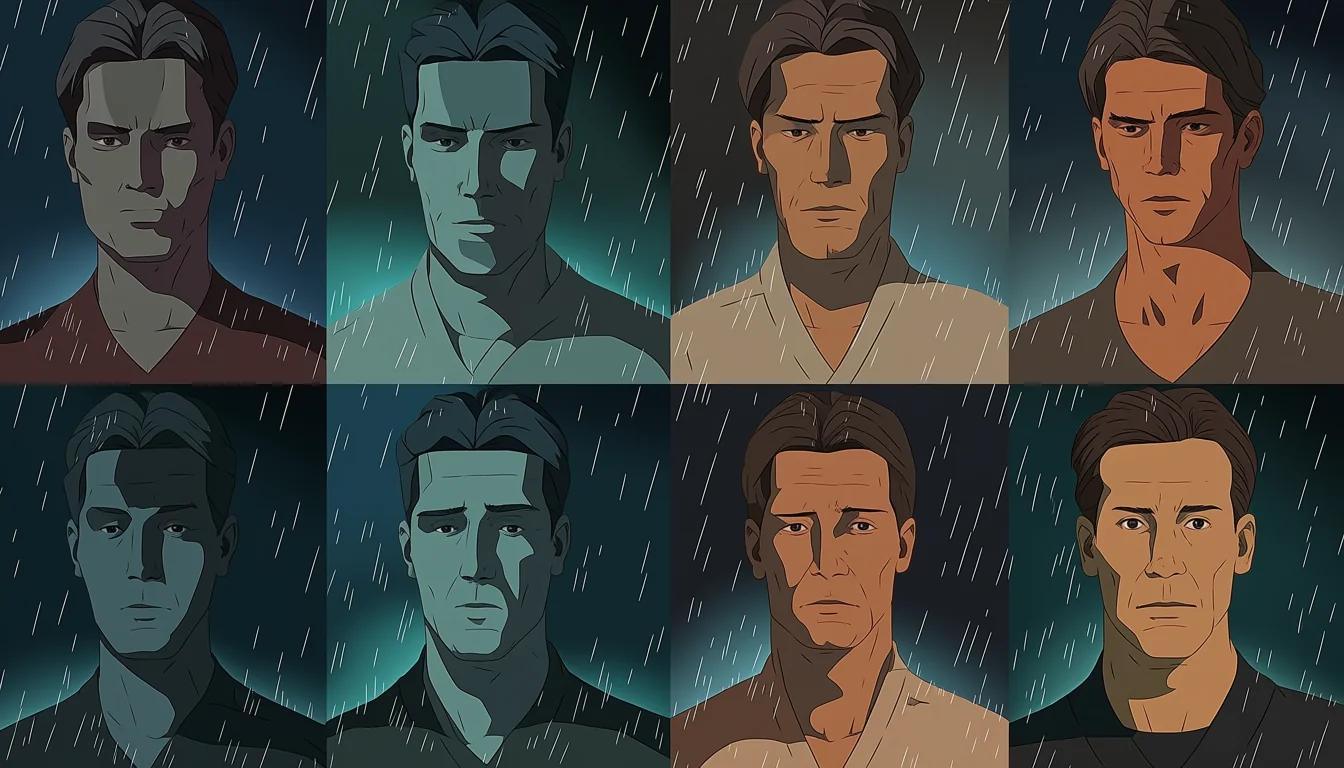
Adult animation lives on tight budgets. A short original video might have the money of a single television episode spread across forty minutes, and every frame of real movement eats into it. That constraint explains most of what viewers complain about — the still frames, the repeated cycles, the sudden jumps — and it also explains what the best titles do, which is spend the money in a few places instead of thinly everywhere.
What a second of animation costs
Full animation runs at twelve to twenty-four drawings a second. Limited animation might use three or four, holding each longer and moving a camera across a still instead. A studio with a fixed budget chooses where on that scale each shot sits, and the choice is permanent once it is made.
The result is a spending map you can read while watching. Fluid movement means the studio decided this moment mattered. A held frame with a slow pan means they decided it did not, or that stillness was the point. Neither is automatically better. What separates good work from bad is whether the map matches the story.
Watch for the mismatch. A rushed emotional beat next to an elaborate transition tells you the budget went where the storyboard artist found it fun rather than where the scene needed it.
Stillness as a deliberate choice
Limited animation has a genuine strength, which is that a held image gives the viewer time. A face kept on screen for four seconds instead of one lets an expression land. A room shown empty before anyone enters establishes the place. Directors who understand this use the constraint rather than apologising for it.
In atmospheric romance the held shot is often the whole point. The moment before contact, the pause after, the look that is not returned. These are cheap to animate and expensive to get right, which is a rare and useful combination for a small studio. The written version of the same instinct is in the quiet minute after an intimate scene.
Sound is doing most of the work
Close your eyes during a well-made adult video and you lose less than you expect. Breath, fabric, floorboards, distant traffic, a fan. The audio track is carrying continuity, place, and emotional temperature while the picture holds a drawing. This is the cheapest way to buy atmosphere and it is why the audio budget is often the smartest money in the production.
You can hear the difference between a title that hired a sound designer and one that dropped a music loop over everything. The loop version feels flat regardless of how good the drawings are, because nothing tells you what the room is like. Voice work adds another layer again, which is picked apart in the page on dubbing.
Why some titles feel rushed
Short runtimes force compression. Two episodes to establish characters, build a relationship, and pay it off is not much room, so the middle gets cut. What survives is the setup and the payoff with nothing between them, which reads as rushed even when every individual shot is fine.
The titles that avoid this usually narrow their scope. One relationship instead of three. One location instead of six. One night instead of a season. Less material, more time per beat, and a result that feels unhurried on the same budget as something that felt frantic.
That is a useful thing to notice as a viewer, because it gives you a way to pick. A short synopsis with a small cast and a single setting is a decent predictor of pacing you will enjoy, far better than a thumbnail. The browsing side of that is in watching free the slow way.
What a hentai video is remembered for
Ask anyone about a title they still think about years later and they will describe a moment rather than a sequence. A pause, a line, a room, a piece of music. Almost never the most animated shot. The memory attaches to whatever was given enough time to sink in.
So the craft advice and the viewing advice converge. Makers should spend their seconds on the beats that carry feeling, and viewers should choose titles that seem willing to do it. Everything published on that here concerns fictional adults, unmistakably grown, with the connected studio credited at the studio page.