
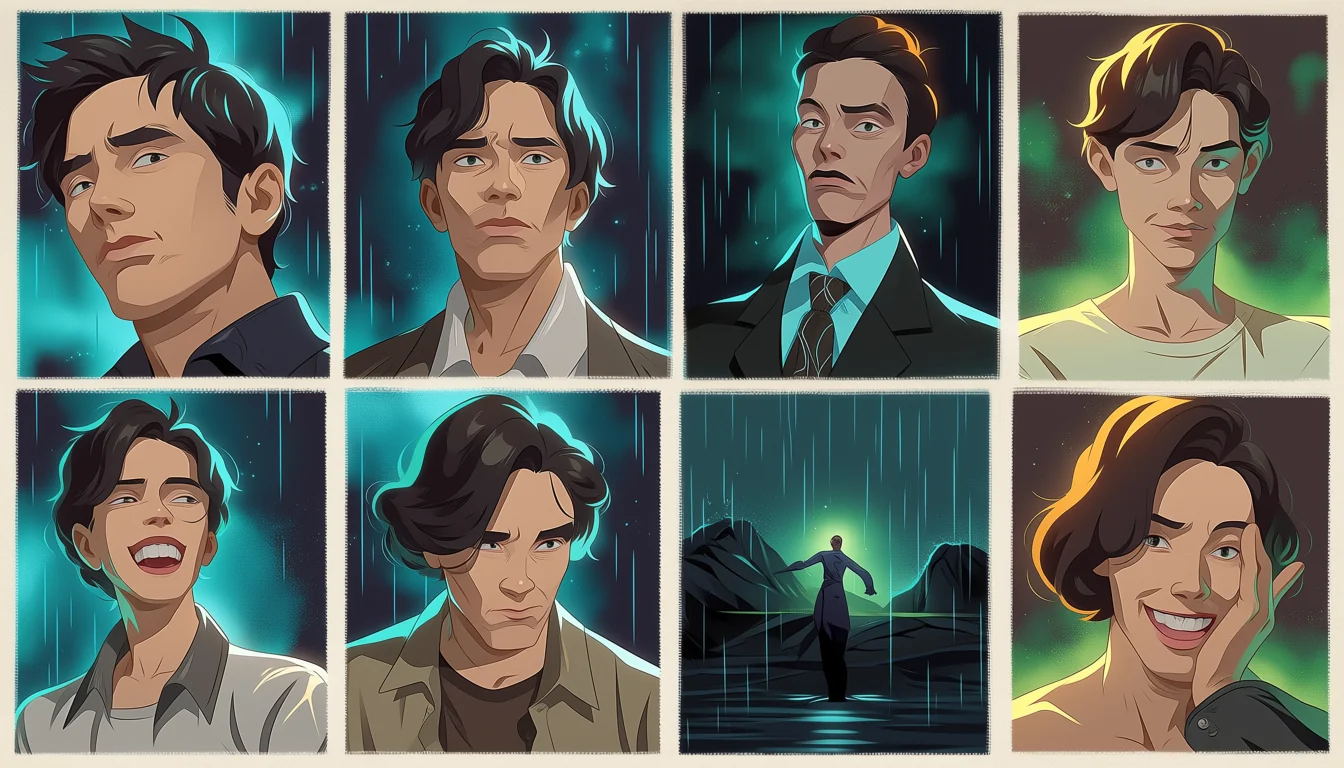
Take any adult illustration site, check its analytics, and the same number appears: somewhere between seventy and eighty-five percent of visits come from phones. Then look at how the work was made. Composed on a large monitor, judged at full size, approved by people sitting at desks. The gap between those two facts is where most mobile hentai goes wrong, and it is a craft problem long before it is a technical one.
What 390 pixels actually holds
A common phone gives you around 390 points of width, minus a side margin, so roughly 350 for content. A double-page spread scaled into that is about the size of a business card. Faces become smudges. Background detail that took hours becomes texture. Text in a speech bubble drops below the size anyone can read without pinching.
None of that is fixable in post. It has to be decided while composing. Fewer elements, larger figures, higher contrast between subject and background, and one clear focal point per image. Work built that way loses nothing on a big screen and survives the small one, which is the only combination worth aiming for.
The quick test is simple: shrink your image until it is 350 pixels wide and look at it. If you cannot tell what is happening or who is doing it, the composition is too busy. This is the same thumbnail discipline described in writing the quiet minute after an intimate scene, applied one step earlier.
Vertical scroll changes the beat
Print comics give you a page at a time, so the reader takes in six panels at once and the eye chooses its route. A phone gives you one screen at a time and the route is fixed: down. That turns layout into editing. Each scroll is a cut, and the gap you leave between panels is a pause you are choosing to impose.
Vertical formats exploit this deliberately. A long empty stretch before a reveal is a held breath. Two panels stacked tight read as fast. For atmospheric romance this is a gift, because the format's native strength is exactly the slow build. The vertical tradition and where it came from is covered in the webtoon and vertical romance page.
The failure mode is porting a print page into a scroll without re-editing. Rows get cut in half by the screen edge, reading order breaks, and the pacing becomes accidental. It is worth redrawing the layout rather than shrinking it.
Weight, warmth, and data
A phone is a small computer running on a battery in someone's hand. A hundred uncompressed images will heat it, drain it, and eat a data allowance. Modern compressed formats cut file size by half or better with no visible loss on a screen this size, and capping the longest edge around nineteen hundred pixels is plenty for any phone made in the last decade.
Loading matters for mood too. A page that stalls halfway breaks the spell as thoroughly as a bad edit. If you are publishing, test on a throttled connection, not just office wifi. If you are reading, a page that will not settle is usually carrying advertising weight rather than art.
The things you only see on a real phone
Desktop preview windows lie. They do not show you a thumb covering the bottom third of the screen, glare from a lamp, one-handed scrolling, or how a dark image looks at low brightness in bed. Every one of those changes what reads and what does not.
So check on the actual object. Hold the phone the way you hold it at night. Look for anything that requires a pinch, anything that scrolls sideways, and any tap target smaller than a thumbprint. That test takes two minutes and catches more than an hour of squinting at a browser window ever will, which is why the night-studio routine puts it at the end of every session.
Making mobile hentai that holds up
Compose for the small screen, edit for the scroll, compress properly, and test on the device people actually use. Those four habits separate work that survives the format from work that merely tolerates it. Nothing about them limits ambition; they just move the decisions to a point where they can still be made well.
And the standard does not shift with screen size. Characters stay fictional and unmistakably adult, sources stay credited, and creation stays on the connected studio where account and safety controls live. You can read that stance in full on why this haven stays quiet, and the practical tools sit at expression changer.