
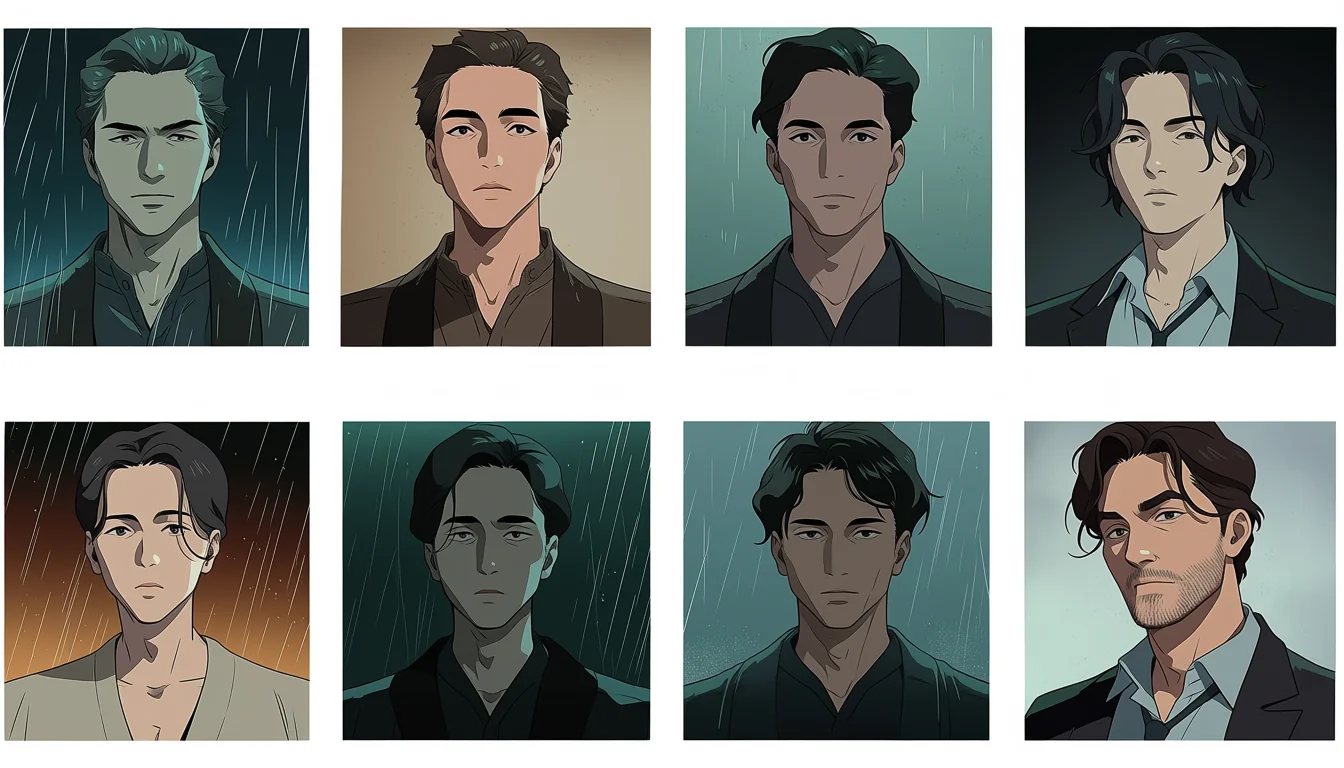
Some tags exist to sort a library and some exist to promise a jolt. This one is usually the second kind, which is a shame, because the material underneath is no different from any other intimate scene: two fictional adults, a decision, and whatever the decision changes. Treated as a beat in a story rather than a headline on a thumbnail, it asks for the same craft as anything else and rewards it in the same way.
What the shock frame costs
When a scene is sold on the act alone, everything around it becomes filler. There is no reason to establish the room, the relationship, or the mood, because the tag has already made the promise. So the scene arrives without setup and ends without consequence, and viewers describe the result as hollow without quite knowing why.
The frame also flattens the people in it. A character who exists to perform a category is not a character, and the audience knows within seconds. That is the same problem the whole genre has with tag-led production, and it is the reason so much of it feels interchangeable.
Nothing about the act requires this treatment. It is a marketing habit that hardened into a production habit, and it can be dropped by any maker willing to write a scene instead of filling a slot.
Negotiation is part of the scene
Between fictional adults, this is a thing people talk about first. Showing that conversation is not a disclaimer bolted onto the front; it is a genuinely good scene. Two people saying what they want, hesitating, adjusting, is dramatic material, and it makes everything after it read as chosen rather than imposed.
It can be brief and it does not have to be spoken. A look, a pause, a hand moved and allowed. What matters is that the audience sees agreement happen. The craft of building that into an image is worked through in the quiet minute after an intimate scene.
The absence of it is what separates work that reads as intimate from work that reads as coercive, regardless of what the plot claims is happening.
Pacing beats explicitness
The approach is almost always more interesting than the arrival. Anticipation, hesitation, the moment where either person could still say no and does not — that stretch carries more charge than any amount of detail in the act itself. Work that rushes to the explicit part spends its best material before the audience is invested.
Slowing down also gives the artist somewhere to put craft. A held frame needs a considered expression, a lighting choice, a piece of staging. A rushed sequence needs none of those, which is why rushed sequences look cheap even when the drawing underneath them is competent.
This is a general rule in adult work and it applies here with unusual force, because the act carries an inherent tension that a slow build can use. Hurried, that tension is wasted. Held, it does most of the job for you.
Aftermath is where character shows
Cut the moment the visual peak passes and you have made a highlight reel. Stay for thirty seconds and you have a story. Who reaches for whom, who speaks first, what the room sounds like now. This is where the audience learns what the scene meant to the people in it.
Aftermath is also the only place a scene can say what kind of relationship this was. The same act between strangers, between long partners, and between two people who have just crossed a line they had been circling for months should produce three completely different endings. Cutting early makes all three identical.
It costs almost nothing to produce, which makes skipping it a strange decision. Two held shots and a line of dialogue. That is the difference between a scene people remember and one they scroll past, and it is the argument running through the mood-first end of the genre.
The standard this haven applies
Fictional adults, unmistakably grown. Agreement visible in the scene rather than asserted in a description. No coercive framing dressed up as reluctance. Aftermath included. Those are not restrictions on what can be depicted; they are what makes the depiction worth anyone's evening.
Work that meets them is straightforward to find once you stop letting tags choose for you. The house position on all of this is written out plainly in the understanding of this house, and creation with proper safety controls stays on the connected studio.