
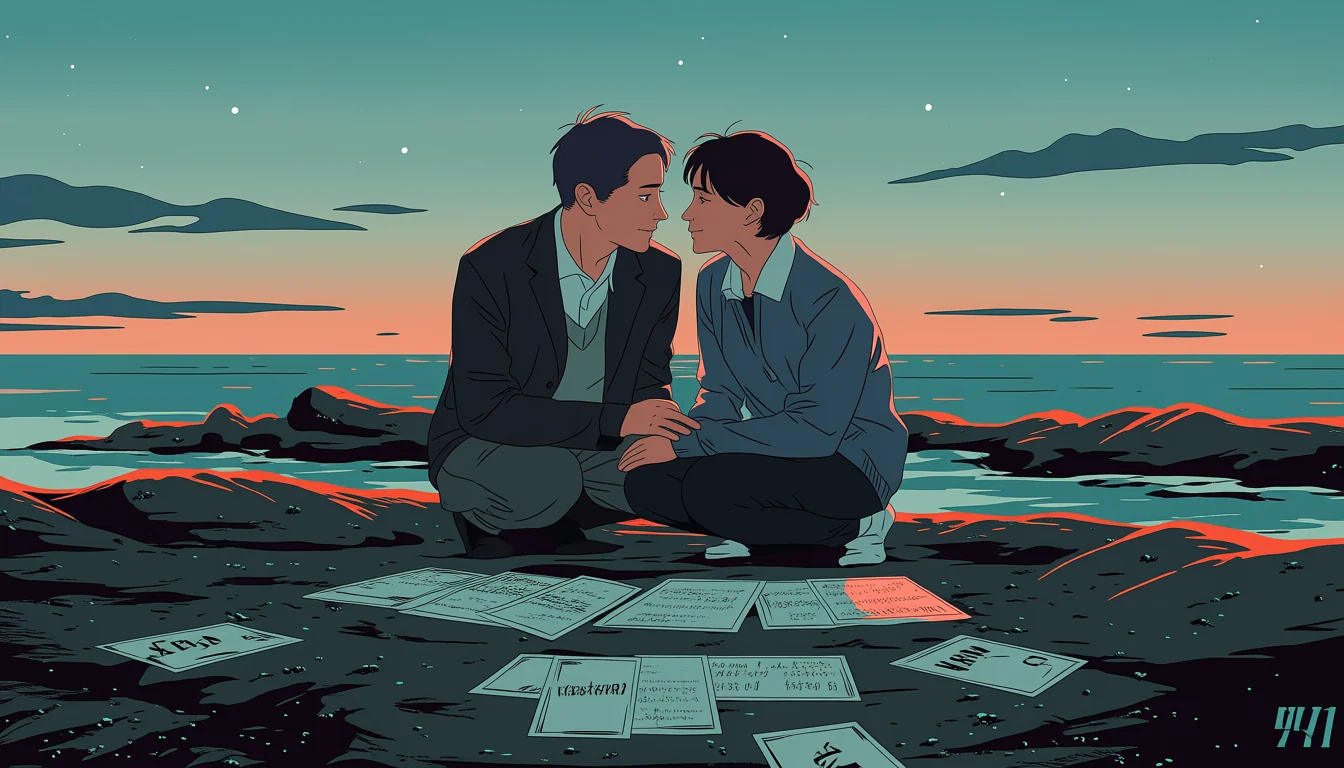
A large share of adult illustration borrows an existing world. Sometimes that is a joke, sometimes an homage, sometimes a genuine argument with the source. All of it gets filed under parody, which flattens some real differences. Being precise about what a piece is doing with its borrowed setting turns out to be a decent predictor of whether it is any good.
Parody, pastiche, and plain borrowing
Parody comments on the thing it borrows. It exaggerates or inverts something the source does, and the joke or the point depends on knowing the original. Pastiche imitates a style affectionately without arguing with it. Plain borrowing just uses recognisable characters in an unrelated scene.
All three are legitimate and only the first is really parody. The distinction matters because a piece that claims to be commenting and is actually just borrowing tends to feel hollow, and audiences notice the gap even when they cannot name it.
The most interesting adult work in this space is usually genuine parody: it takes a world that never acknowledged desire and asks what these fictional adults would actually do.
Make the borrowed world do something
The test is whether the setting affects the scene. If the same images would work with generic characters in a generic room, the borrowing is decorative and the label is functioning as a search term. If the world's rules, tone, or constraints change what happens, the borrowing is doing real work.
That is also where the craft is. A setting with strict social rules gives an intimate scene something to push against. A setting with strange physics gives it a genuinely different visual language. Both are opportunities that generic scenes do not have.
The staging principles are the same as anywhere, described on scenes that remember the room. A borrowed room is still a room and still needs to be present.
Tone is the hardest part
Comedy sources make this difficult. A world built on gags can absorb an adult scene or reject it entirely, depending on whether the piece commits to a tone. Half-committed work — a serious scene with a comedy sweat drop in it — collapses, and this is the most common failure in the whole category.
Pick one register and hold it. A genuinely funny adult parody is rare and valuable; a genuinely tender one built from a comedy source is rarer still. What does not work is oscillating, as noted on the page on visual conventions.
The rules do not change for parody
Borrowed characters must be depicted as unmistakably adult, and a great deal of popular source material makes that impossible without changing the character enough that the borrowing stops working. That is a reason to pick a different source, not a reason to argue about intent.
Real people are never in scope, and a parody framing does not alter that. Nor does it license tracing another artist's drawing of a character. Those lines are set out on where originality stops and they hold regardless of what a piece is commenting on.
Credit the source you are arguing with
Naming the original is both courtesy and clarity. A reader who does not know the source cannot get the joke, and one who does wants to know you knew. It also separates parody from passing off, which is the accusation that sticks to uncredited derivative work.
Circles and artists in this tradition have always credited well, largely because the audience is the same people who love the original. That habit is worth keeping, as argued on the doujinshi archive page.
What borrowed-world adult art does well
It arrives with a relationship the audience already understands, which is a large head start, and it can ask questions the original never would. Spent well, that head start produces work with more specificity than an original scene could manage in the same page count.
Spent badly, it produces a familiar face in an anonymous room. The difference is whether the world does anything, and that is decided before the first line is drawn. The connected studio route is on the night studio.